
$160M+ ARR · 2025Company-reported ↗
Turning lifecycle into a repeatable product growth engine.
I moved lifecycle from fragmented channel delivery to a product experimentation system with clear ownership, measurable decisions and accountable PM leadership.
By Andrei VolkRole at the company: Product Lead, CRM & Lifecycle · Simple · 2022–2026
ScopeLed global lifecycle strategy across push, email, in-app and emerging platform surfaces, managing a 10+ person cross-functional team including two Product Managers.
ResultBuilt a repeatable experimentation engine that reached 4+ tests per month, cut time to market by 30% and contributed to measurable growth across LTV, ARR, retention and active days.
- LTV
- +25%
- RETENTION
- +40%
- TIME TO MARKET
- −30%
About
A global lifecycle area at risk of becoming a collection of disconnected channels.
Lifecycle work covered push, email, in-app communication and emerging platform surfaces across multiple markets. But work was organised too easily around channels and stakeholder requests rather than customer stages, measurable hypotheses and shared outcomes.
Customer stages · hypotheses · outcomes
Operating model
Organise around customer outcomes, not communication channels.
I reorganised the area around lifecycle stages and product outcomes, with explicit ownership across hypothesis, analytics, development, QA, launch and rollout. This clear order and ownership reduced waiting, duplicated decisions and late changes.
- 01InsightProduct
- 02HypothesisProduct
- 03ScopeProduct
- 04AnalyticsAnalytics
- 05BuildEngineering
- 06QAQA
- 07ExperimentProduct
- 08DecisionProduct + Analytics
Leadership and ownership
Keep high-risk work close. Delegate repeatable areas with clear outcome ownership.
I personally supervised sensitive initiatives such as data architecture and Live Activities, while two PMs owned repeatable areas including push, email, ratings and in-app communication.
Direct ownership
- Strategy
- Data architecture
- Live Activities
- Sensitive communications
Delegated ownership
- Push
- Ratings
- In-app
Representative product decisions
Live Activities
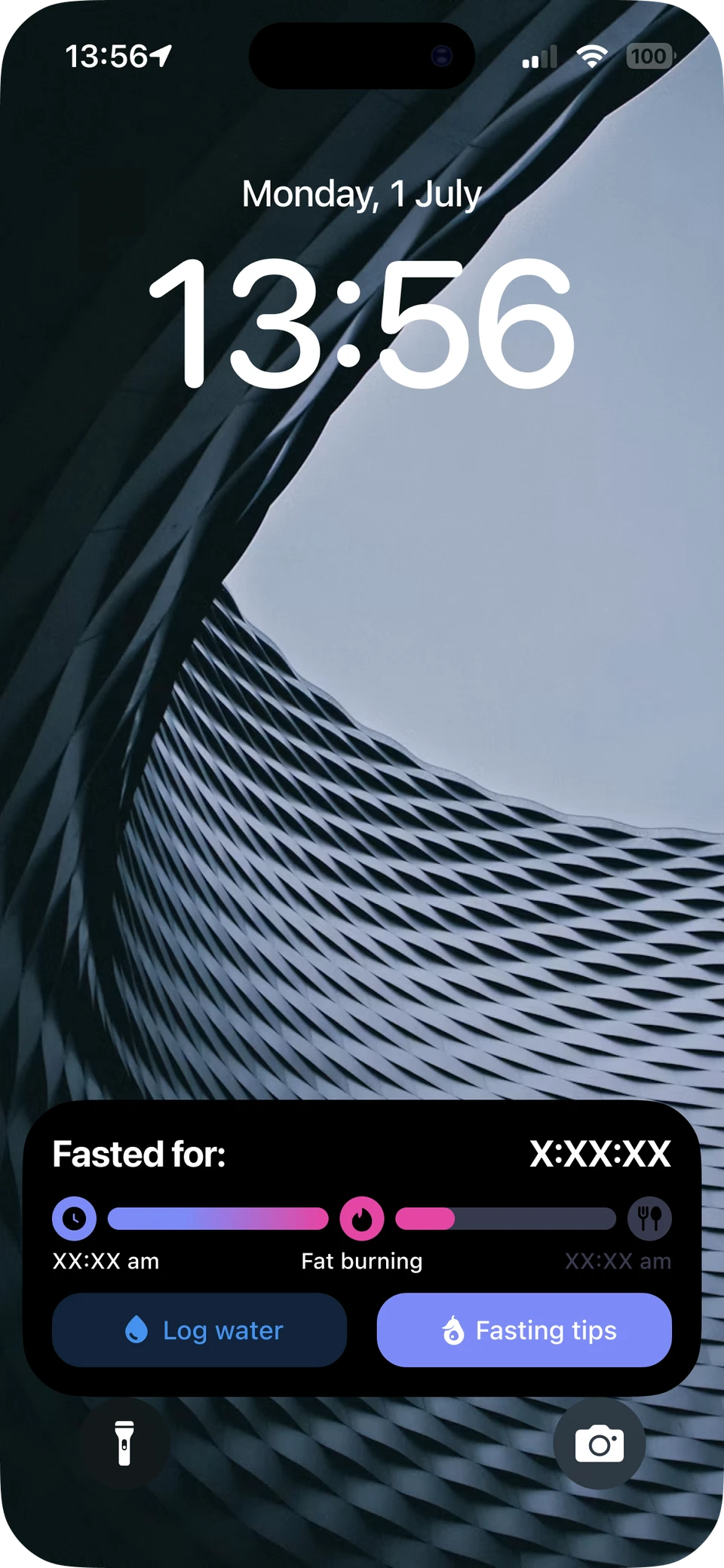
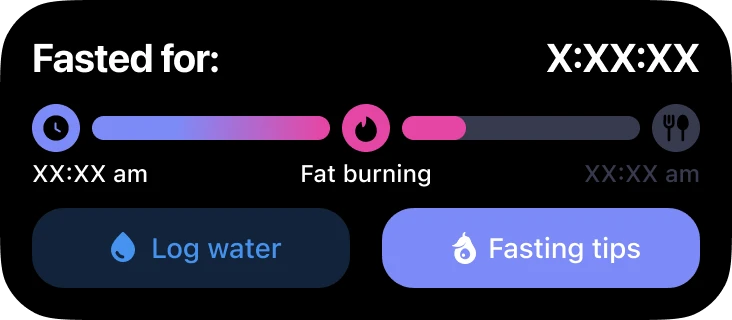
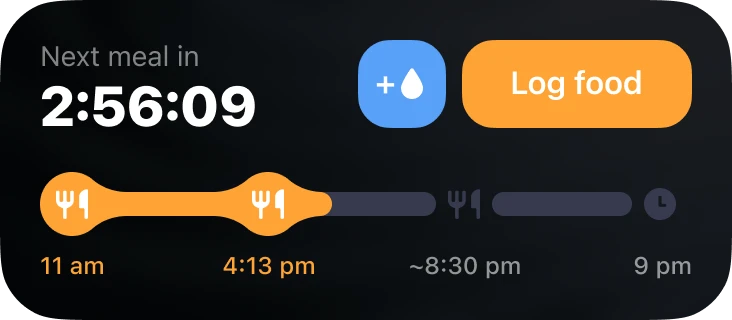
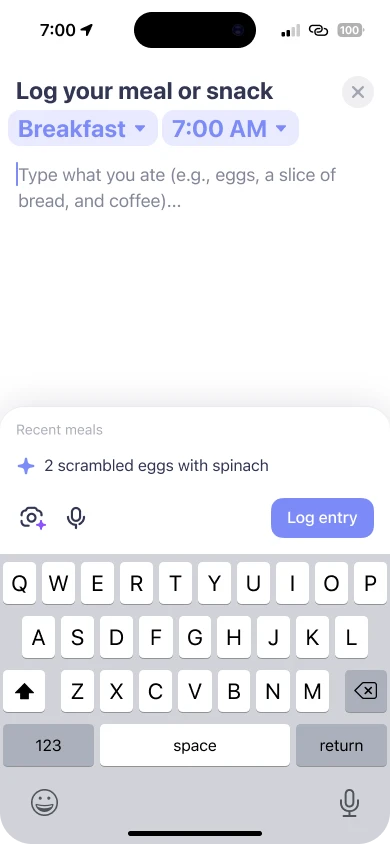
Turn a long-running customer state into a persistent product surface.
- 20–30k eligible iOS users
- +7% meal-tracking conversion
- −11% 30-day cancellations
From the lock screen to meal tracking
Clearer personalised reminders
Improve retention by increasing message clarity, not message volume.
- ~30,000 users
- +5.17% D7 retention
- +2.06% meal-tracker conversion
- No negative impact on cancellations
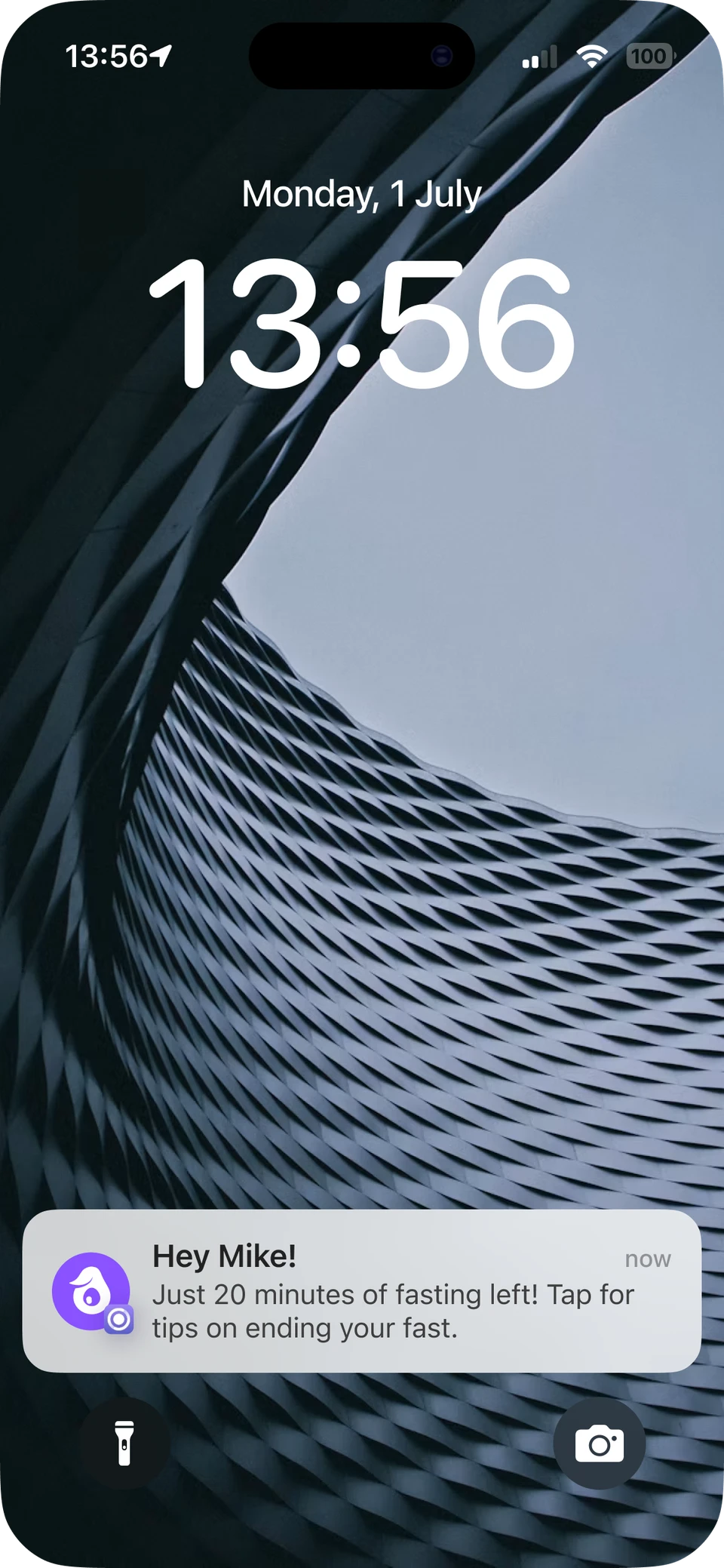
A clearer message, in context
The experiment covered copy changes across all push notifications. This before-and-after pair is one example from that broader test.


Early validation
I believed retargeting emails could increase subscriptions. The question was: by how much?
A 50/50 holdout experiment with ~20,000 users showed that retargeting increased subscription conversion from 7.77% to 8.40% — an 8% relative uplift with a statistically significant result.
Most retargeting subscriptions happened on day one, which helped refine chain length and follow-up experiments.
Scaling the lever
Scale a monetisation lever across the CRM funnel.
Retargeting emerged as one of the strongest monetisation levers immediately after onboarding. Through a series of experiments, I increased the share of subscriptions attributed to CRM from roughly 4% to more than 10%, nearly tripling the channel’s contribution.
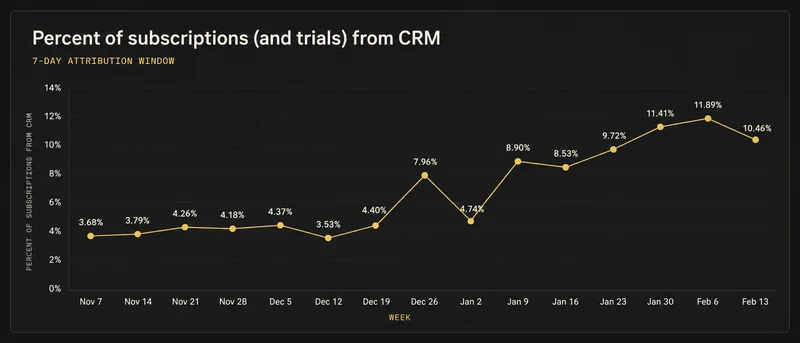
~3x growth in CRM-attributed subscription share
Results
A faster product organisation with measurable business impact.
The result was not a single winning campaign, but a team capable of producing, evaluating and scaling product improvements repeatedly.